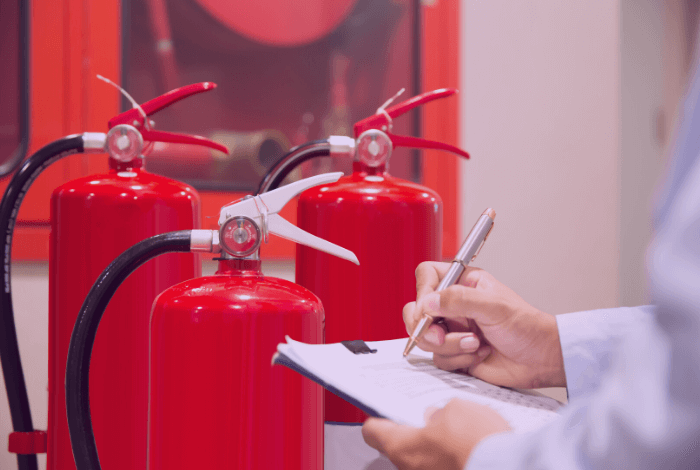
Introduction to Fire Risk Assessment
Fire safety is a major concern for workplaces, commercial properties, and residential buildings. Fire Risk Assessment is a structured process that helps identify potential fire hazards and implement measures to reduce risks effectively. By understanding where fire hazards exist and how they can be controlled, organizations can protect lives, property, and business operations. An effective fire risk assessment is not only a legal requirement in many regions but also a vital step toward creating a safer environment.
Understanding Fire Hazards
Fire hazards are conditions or materials that can increase the likelihood of a fire starting or spreading. Common fire hazards include faulty electrical systems, overloaded sockets, heating equipment, flammable liquids, and poor housekeeping. In many cases, these hazards are overlooked during daily operations. Identifying fire hazards early allows organizations to take preventive action before an incident occurs.
Importance of Reducing Fire Hazards
Reducing fire hazards is essential because fire can spread rapidly and cause severe damage within minutes. Effective fire risk assessment helps minimize injuries, loss of life, and property damage. It also ensures compliance with fire safety laws and reduces the risk of legal penalties. More importantly, a proactive approach to fire safety builds confidence among employees, residents, and visitors by demonstrating a commitment to their well-being.
See also: Santa Rosa Stor-All: Secure, Affordable Storage Solutions in the Heart of Wine Country
Key Steps in Fire Risk Assessment
The fire risk assessment process begins with identifying potential fire hazards throughout the premises. This includes ignition sources, combustible materials, and areas where fire could spread quickly. The next step is identifying people at risk, such as employees, customers, visitors, and individuals with limited mobility.
After identifying hazards and risks, existing fire safety measures such as fire alarms, extinguishers, emergency lighting, and escape routes are evaluated. The final step involves implementing control measures to eliminate or reduce risks and documenting the findings for future review.
Effective Strategies to Reduce Fire Hazards
Reducing fire hazards requires a combination of good management practices and proper safety measures. Regular maintenance of electrical systems and equipment is essential to prevent faults. Flammable materials should be stored safely and kept away from ignition sources. Clear housekeeping practices help reduce clutter and prevent fire spread.
Installing appropriate fire detection systems, maintaining fire extinguishers, and ensuring clear emergency exits are also critical steps. These strategies work together to reduce both the likelihood and impact of fire incidents.
Role of Training and Awareness
Training and awareness play a key role in reducing fire hazards effectively. Employees and occupants should be educated about fire risks and safe working practices. Fire safety training helps people recognize hazards and respond correctly in emergencies.
Regular fire drills and safety briefings reinforce evacuation procedures and reduce panic during real incidents. When people understand their responsibilities, overall fire safety improves significantly.
Regular Review and Continuous Improvement
Fire risk assessment is not a one-time activity. Buildings, equipment, and occupancy levels change over time, which can introduce new fire hazards. Regular reviews of fire risk assessments ensure that safety measures remain effective and up to date.
Continuous improvement helps organizations adapt to changes, maintain compliance with regulations, and strengthen fire prevention strategies.
Benefits of Effective Fire Risk Assessment
An effective fire risk assessment provides numerous benefits, including enhanced safety, reduced property damage, and improved regulatory compliance. It also helps organizations avoid costly disruptions, insurance issues, and reputational damage. Most importantly, it saves lives by reducing fire hazards before emergencies occur.
Conclusion
Fire Risk Assessment: Reducing Fire Hazards Effectively is a vital process for any organization or property owner. By identifying hazards, implementing control measures, and maintaining ongoing awareness, fire risks can be significantly reduced. A proactive and well-managed fire risk assessment strategy creates a safer environment, protects valuable assets, and ensures preparedness for emergencies. Investing in fire safety today leads to long-term protection and peace of mind.